
The Plague” (1947) by Albert Camus,
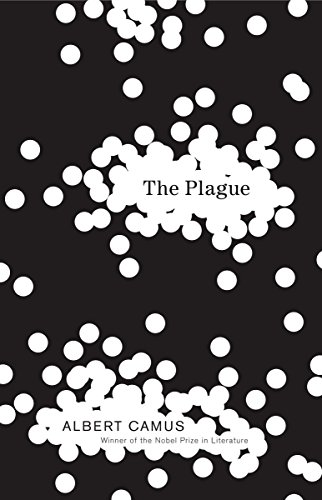
“The Plague” (1947) by Albert Camus, the bible of all novels about epidemics in the 20th century, ends with the recognition that such phenomena will continue to plague mankind and will destroy not just the residents of Oran in Algeria, but will recur repeatedly with the same frightening randomness. And they will demand that people look deeply within themselves to rediscover their consciences and morality, their solidarity and their altruism, which will be necessary to save their environment. Not everyone will succeed. The good people won’t necessarily survive. In modern literature the question of “Why did this plague happen,” will generally remain unanswered.
The Aztecs, the Egyptians and the Greeks, the Finnish and the Hindus – all created deities who were responsible for plagues and who would unleash them capriciously upon the world. From Pandora, who unleashed all the evils trapped in her box, to the son of Nigeria’s Yoruba people, who angers Sopona, the god of smallpox – many mythological tales are used as threats to spur man to improve his ways; if not, he is doomed to suffer from Ebola, pestilence, fever, Spanish flu and blisters.
The discovery of bacteria and viruses and the achievements of modern medicine have not eradicated the thinking that human beings have suffered from diseases or the deluge as justified punishment for their sins.